
What happens when protecting wildlife also helps people put food on the table?
It’s a question at the heart of some of conservation’s most promising initiatives. Because while protecting habitats and endangered species is essential, lasting conservation also depends on the people who live alongside them.
And increasingly, we're seeing what can happen when those interests align.
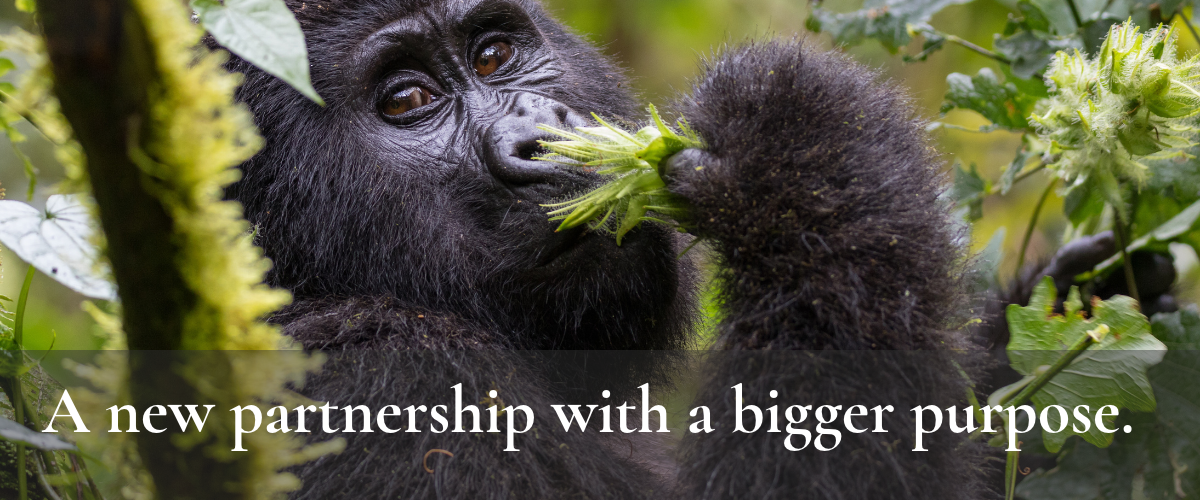
On 19 October 2026, the Wildlife Conservation Society (WCS) and The Hershey Company announced a US$2.5 million partnership to protect forests and endangered wildlife in Nigeria's Cross River State. Source
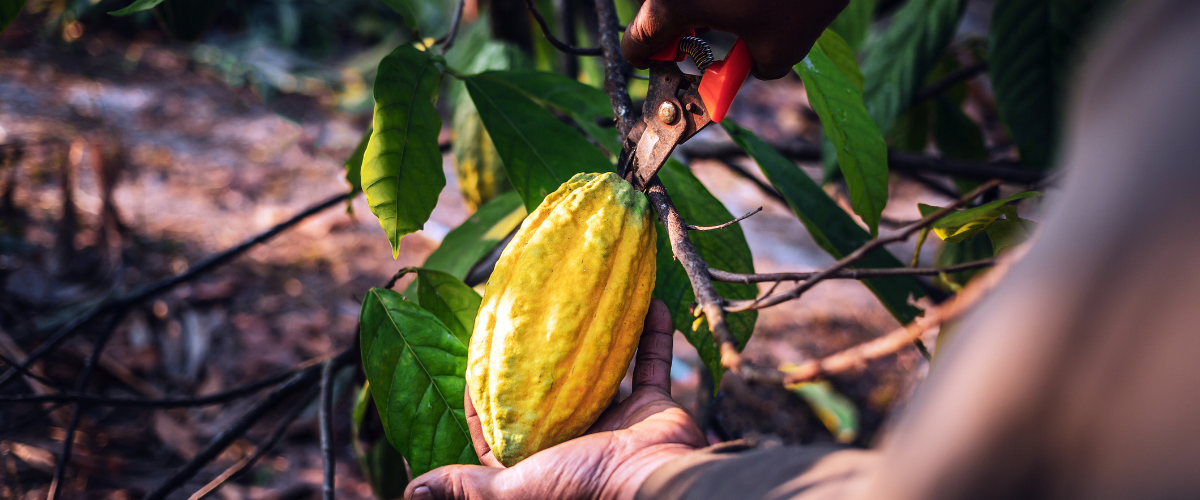
The region is home to Nigeria's largest remaining rainforest, as well as critically endangered Cross River gorillas, chimpanzees and forest elephants. The region is also a major cocoa-producing area, supporting more than 100,000 farming households. But as demand for cocoa grows, so does the pressure to clear forests for agricultural land.
The four-year partnership aims to find a better balance, helping farmers improve their yields and livelihoods while protecting the forests and wildlife that make this landscape so valuable.
Through improved farming practices, agroforestry, stronger forest protection and better supply chain tracking, the initiative aims to help farmers improve productivity while reducing deforestation.
It's an encouraging example of conservation organisations, businesses, governments and farming communities working towards a shared goal.
And it's not the only one.
From Nigerian forests to community conservancies
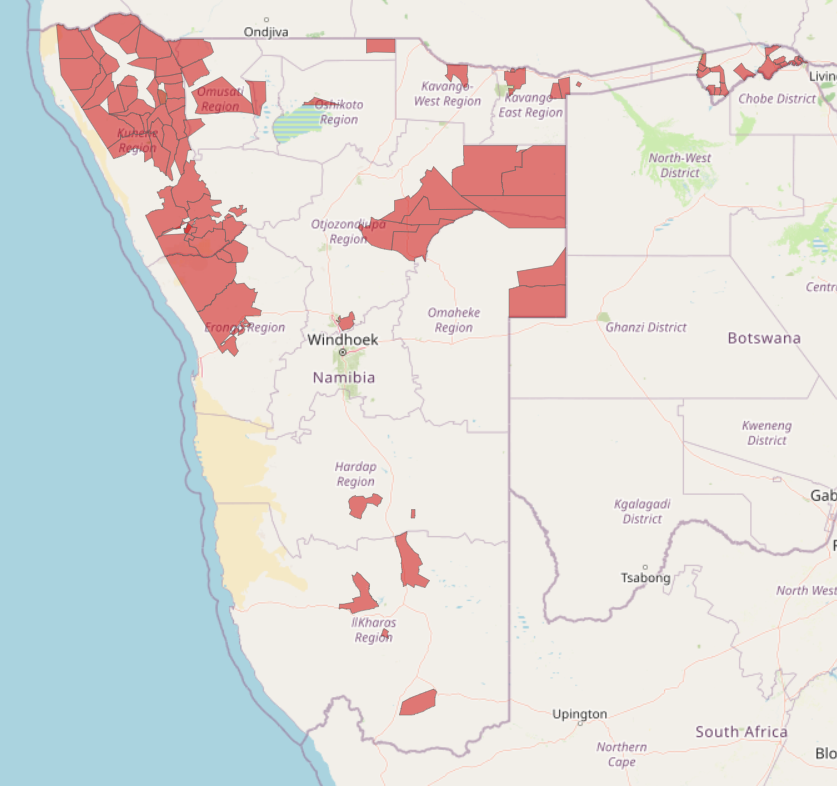
Namibia offers a powerful example of what community-led conservation can achieve. Following independence in 1990, the country began reshaping conservation laws that had previously excluded local communities from managing and benefiting from wildlife. In 1998, the first four communal conservancies were established, giving communities a formal role in managing natural resources and creating opportunities to benefit from wildlife and tourism. What began as a new approach has grown into a globally recognised model of community-based conservation, with conservancies now covering more than 20% of Namibia. Source
The results extend beyond wildlife protection. Through tourism partnerships, local enterprises and community-led resource management, conservancies can generate income while supporting conservation. Namibia's experience demonstrates how restoring local rights and giving communities a meaningful stake in natural resources can help bring people and wildlife into a shared future.
In northern Kenya, the Northern Rangelands Trust takes a similar approach, working with local communities to establish and support community conservancies. These initiatives connect wildlife and habitat protection with sustainable livelihoods, through activities such as tourism, livestock management and local enterprise development. Source
The approach recognises that conservation is closely linked to the wellbeing of the people who live alongside wildlife. By supporting community-led decision-making and creating economic opportunities, the Northern Rangelands Trust aims to build more resilient communities while protecting the landscapes they depend on.
Neither model is a one-size-fits-all solution. But both highlight an important principle: conservation is more likely to endure when local people have a meaningful role in shaping it and a stake in its outcomes.
So, what can we learn from this?
For conservation organisations, tourism operators and businesses looking to make a positive impact, collaboration needs to go beyond consultation.
It means asking three important questions:
Who benefits? Are local communities seeing tangible benefits from conservation efforts?
Who has a voice? Are the people most affected involved in decisions, not simply informed about them?
What happens next? Can the initiative continue delivering benefits for people and nature over the long term?
The WCS and Hershey partnership is still at the beginning of its journey. Its real impact will depend on how these commitments translate into outcomes on the ground.
But the thinking behind it is worth paying attention to.
Because conservation isn't just about protecting places and species. It's about building a future in which both nature and the people who depend on it can thrive.
And that is a goal worth working towards together.
Good conservation stories deserve to be heard. Quill & Wild helps conservation and responsible tourism organisations communicate their impact through thoughtful storytelling and strategic communications.
