
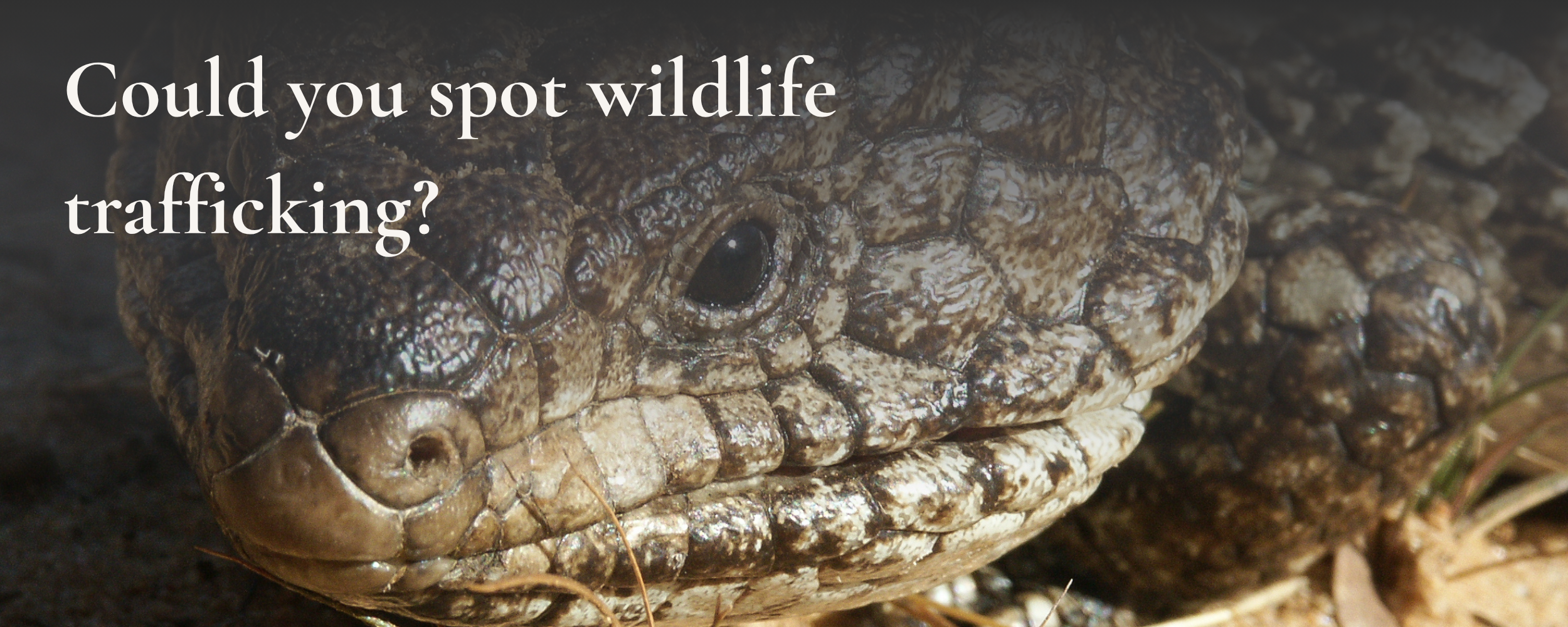
Australia's native reptiles are highly prized in the exotic pet trade, creating a lucrative market for wildlife traffickers.
A 21-year-old man has been charged over an alleged attempt to smuggle 163 native Australian reptiles from Sydney to Hong Kong. Authorities allege the animals were concealed in shipments of leather bags and slippers between December 2025 and March 2026. Source: NEPA
Wildlife trafficking is a conservation issue, not just a law enforcement problem. Removing animals from the wild can threaten vulnerable species and disrupt ecosystems.
Organisations like Taronga Conservation Society Australia are helping tackle the problem. During a five-month trial, Taronga's Wildlife Hospital treated more than 100 illegally trafficked animals, while its team worked alongside federal investigators to identify smuggled wildlife, provide urgent care and support investigations.
𝗛𝗼𝘄 𝗰𝗮𝗻 𝘆𝗼𝘂 𝗵𝗲𝗹𝗽 𝘀𝗽𝗼𝘁 𝘄𝗶𝗹𝗱𝗹𝗶𝗳𝗲 𝘁𝗿𝗮𝗳𝗳𝗶𝗰𝗸𝗶𝗻𝗴?
Look out for suspicious behaviour, including:
People capturing or removing native animals from the wild.
Native or exotic wildlife advertised for sale in suspicious online groups or local markets.
Suspicious activity involving breeders, pet stores or the illegal keeping and trading of wildlife.
Trafficked animals can suffer dehydration, starvation, injury and extreme temperatures during transport.
Australia is home to almost 900 native reptile species, many found nowhere else on Earth. Protecting this unique wildlife means tackling illegal trade alongside habitat loss.
Seen something suspicious? Report it. You can share information, including photos or videos, anonymously with Crime Stoppers Australia or call 1800 333 000.
You don't need to prove a crime has occurred to report a concern. Your information could help authorities investigate and protect Australia's wildlife.
