
From Australia to Africa and the Galápagos, 2026 is bringing some remarkable wildlife reintroductions. But behind every release is a reminder that conservation success takes years, sometimes decades, of preparation, collaboration and commitment.
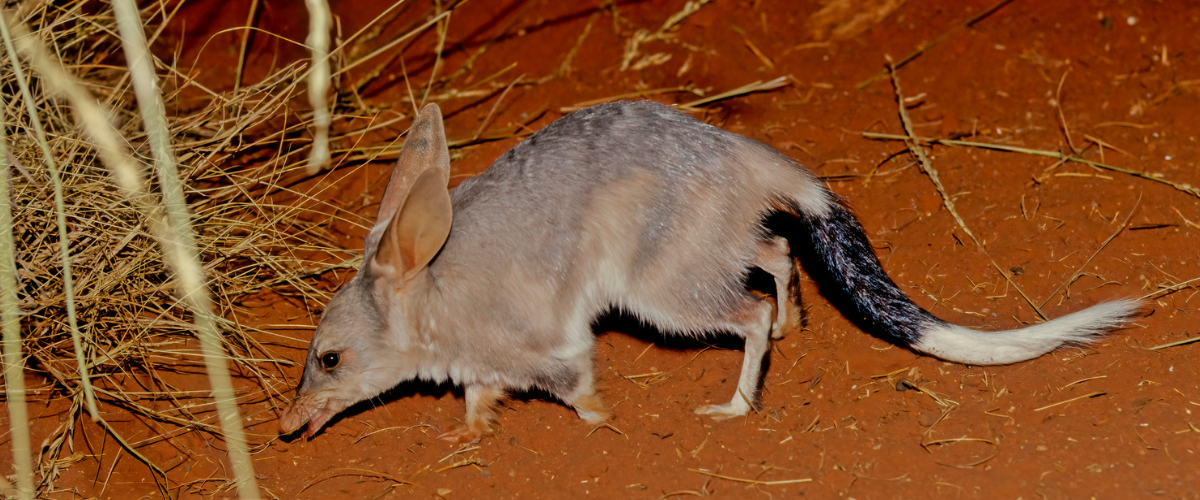
A greater bilby - For visual reference
In August, 150 greater bilbies took their first steps into the wild at Currawinya National Park in south-west Queensland. It was a milestone decades in the making, bringing bilbies back to an area where they had been locally extinct since the 1970s.
It is a wonderful conservation story. But the most important part isn't the number of animals released. It's the years of work that made their return possible.
More than a release
For more than two decades, Save the Bilby Fund and Queensland's Parks and Wildlife have worked together to protect bilbies at Currawinya. Conservation breeding, habitat management and introduced predator control have all played a role.
Before the release, more than 280 bilbies were assessed, with 150 healthy animals selected to pioneer life beyond the predator-proof fence. The work continues, with ongoing monitoring and feral predator management needed to help the animals establish themselves.
The release is a major milestone, but it is not the finish line. The long-term goal is a self-sustaining wild population.
And Australia isn't alone in celebrating this kind of progress.
Galápagos to Africa
In February 2026, 158 juvenile giant tortoises were released on Floreana Island in the Galápagos for the first time in more than 180 years. The original Floreana giant tortoise lineage was driven to extinction in the mid-1800s.
Their return followed decades of scientific research, including genetic studies that identified tortoises carrying Floreana ancestry on another island. A carefully managed breeding programme helped produce tortoises genetically close to the original population.
The release is part of a much larger ecological restoration project involving habitat restoration, invasive species eradication and plans to reintroduce 12 native species. It has also involved the local community, with conservation partners recognising that the island's ecological health and residents' livelihoods are connected.
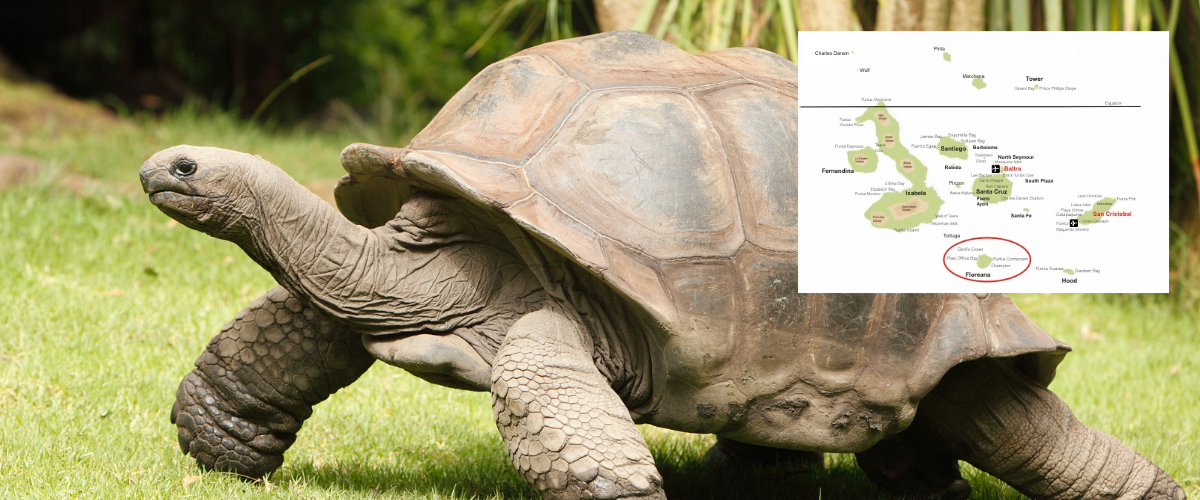
A giant tortoise - For visual reference
In Niger, eight North African ostriches were released into the Gadabedji Biosphere Reserve in September. The species had disappeared from the reserve, and the country's last wild ostriches disappeared in 2004.
Their return was made possible through years of captive breeding, veterinary care, genetic management and collaboration with Nigerien authorities. The release is the beginning of a programme aiming to establish a viable wild population, not proof that the species has recovered.
While each project is different, they all demonstrate that releasing wildlife is just one small part of a much bigger conservation effort.
Rewilding takes long-term commitment
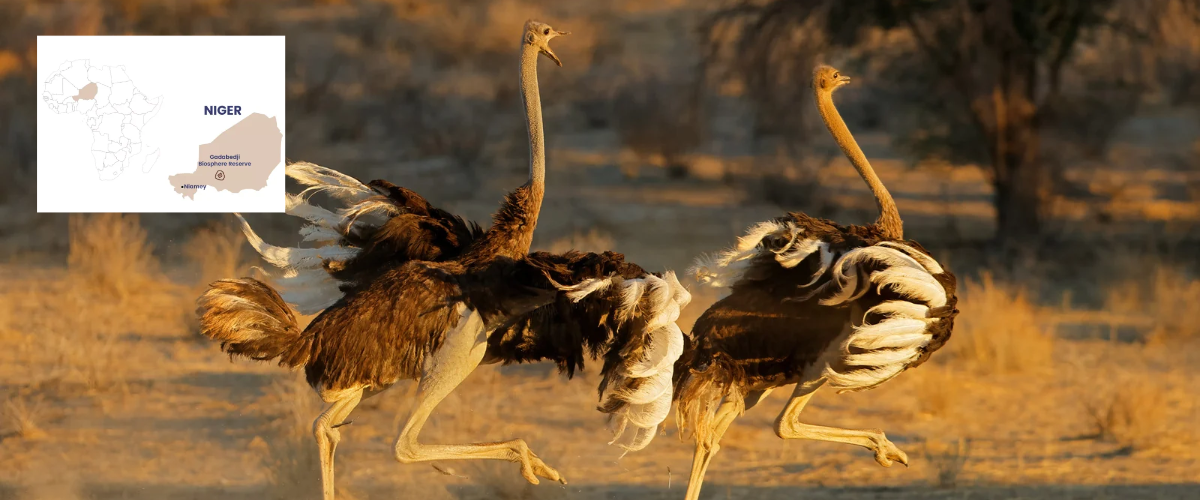
Ostrich - For visual reference
Rewilding takes long-term commitment
In Southern Africa, the Rhino Rewild initiative demonstrates the scale of that commitment.
Led by African Parks, the ten-year programme aims to rewild 2,000 southern white rhinos across carefully selected protected areas in Africa. Since the first translocation in 2024, rhinos have been moved across the continent.
Every destination requires careful assessment of habitat suitability, management capacity and long-term security. After release, monitoring and research help conservationists understand how populations establish themselves and how ecosystems respond.
I have witnessed two rhino rewilding releases firsthand; they were incredibly moving and exciting experiences. Seeing these animals begin a new chapter in a landscape where they can contribute to the wider ecosystem is something that stays with you.
But what makes those moments possible extends far beyond the day of the release. It takes planning, resources, skilled teams and ongoing protection to give these animals a genuine chance of a future in the wild.
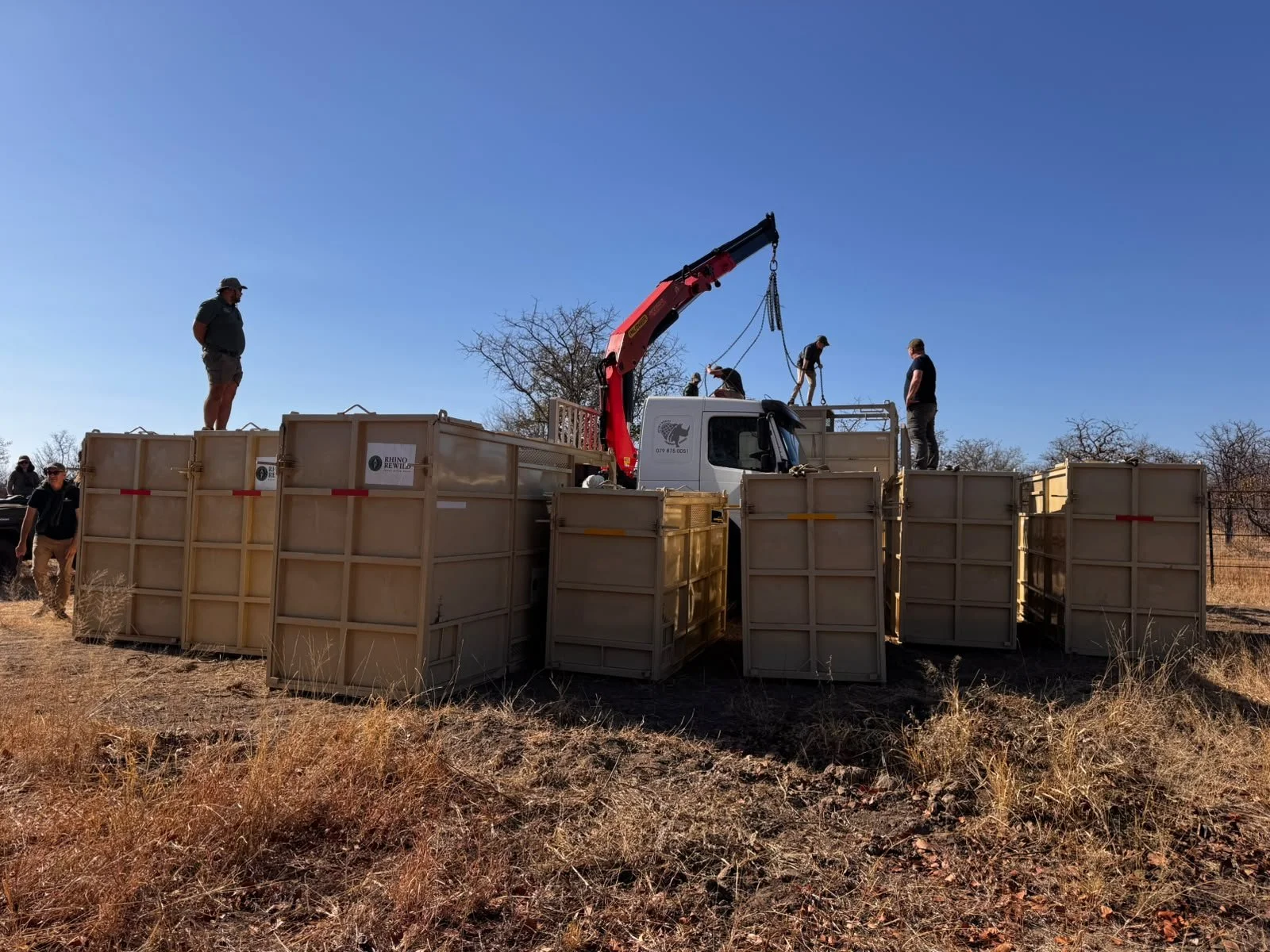
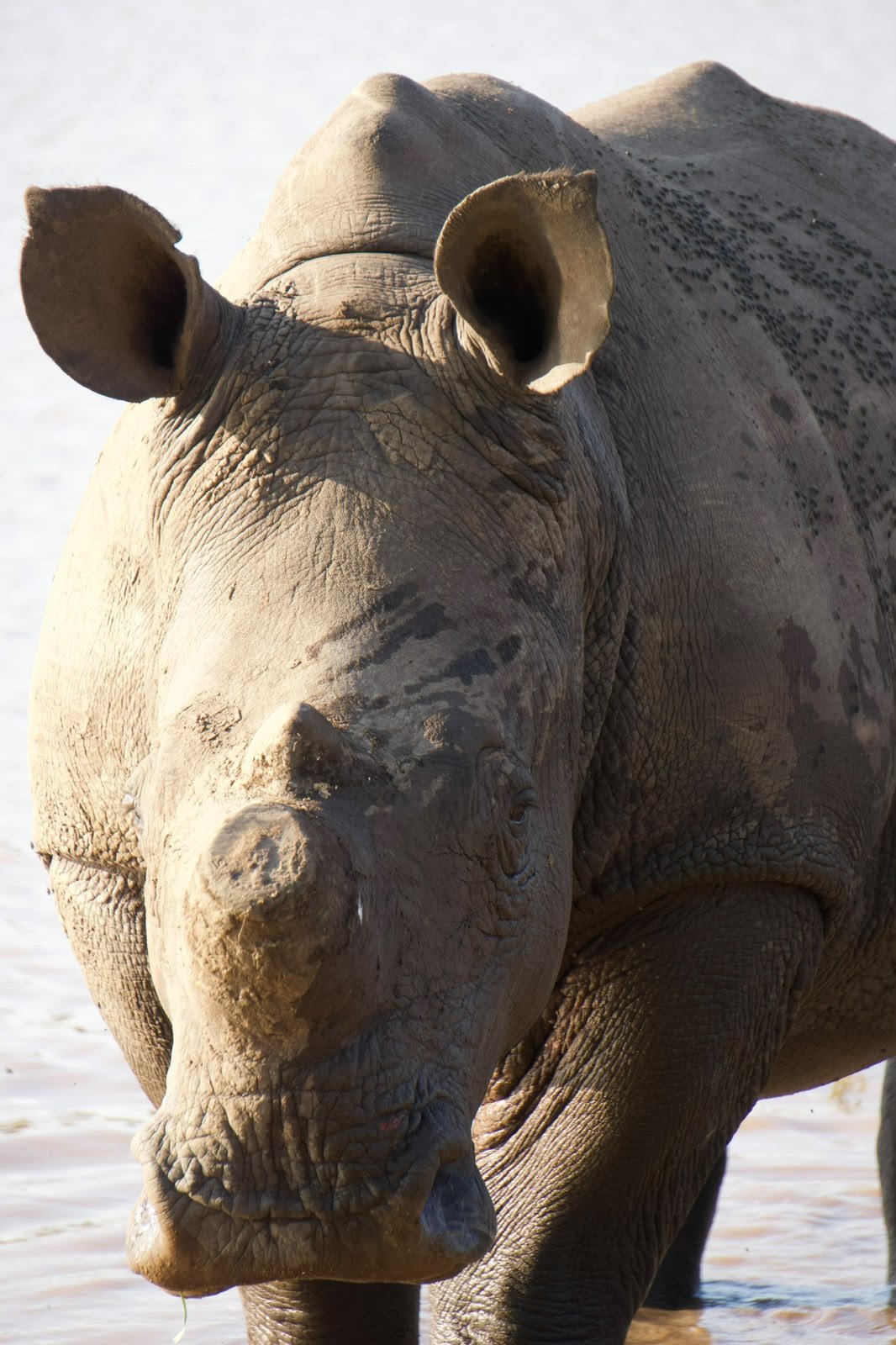
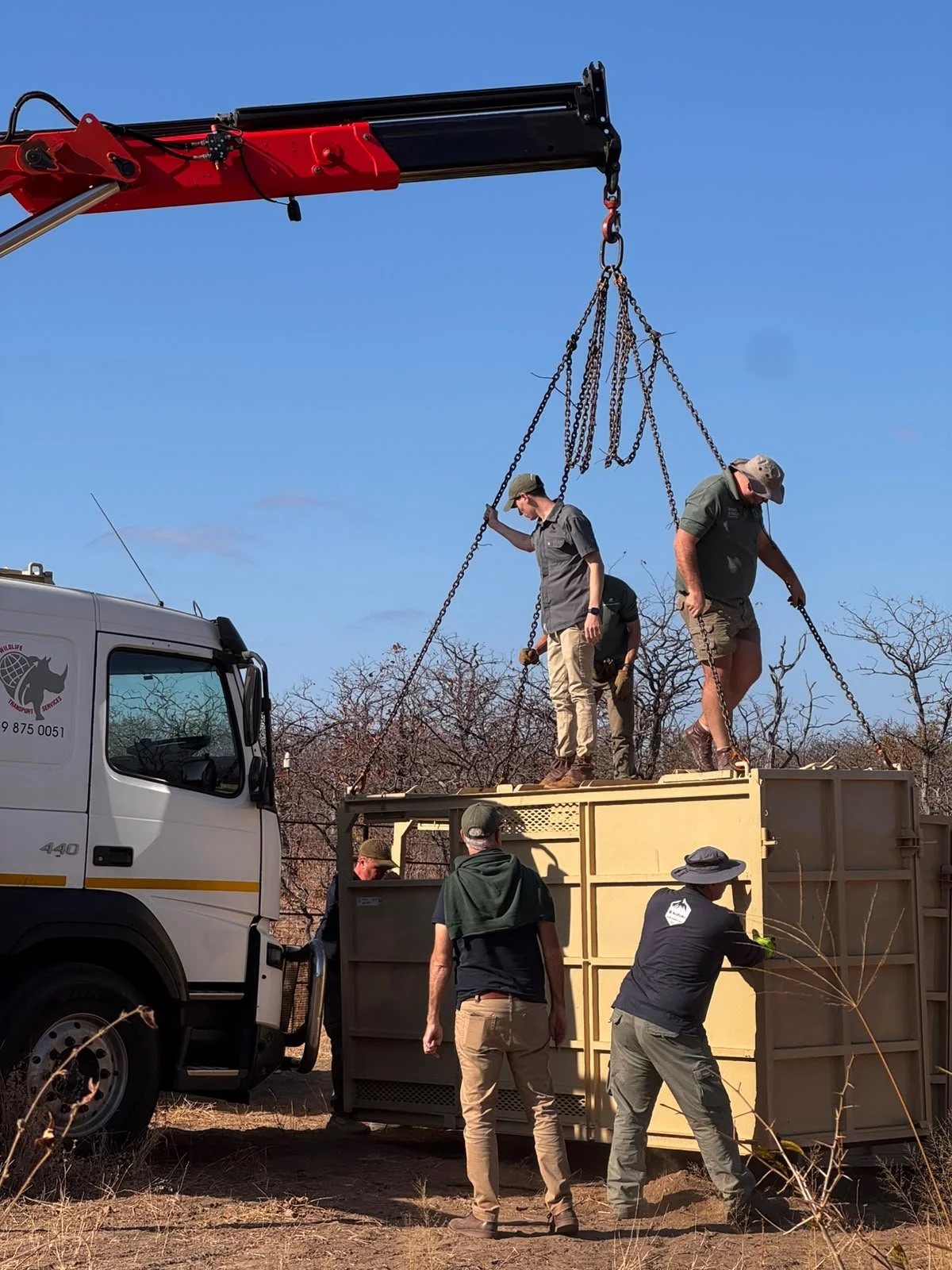
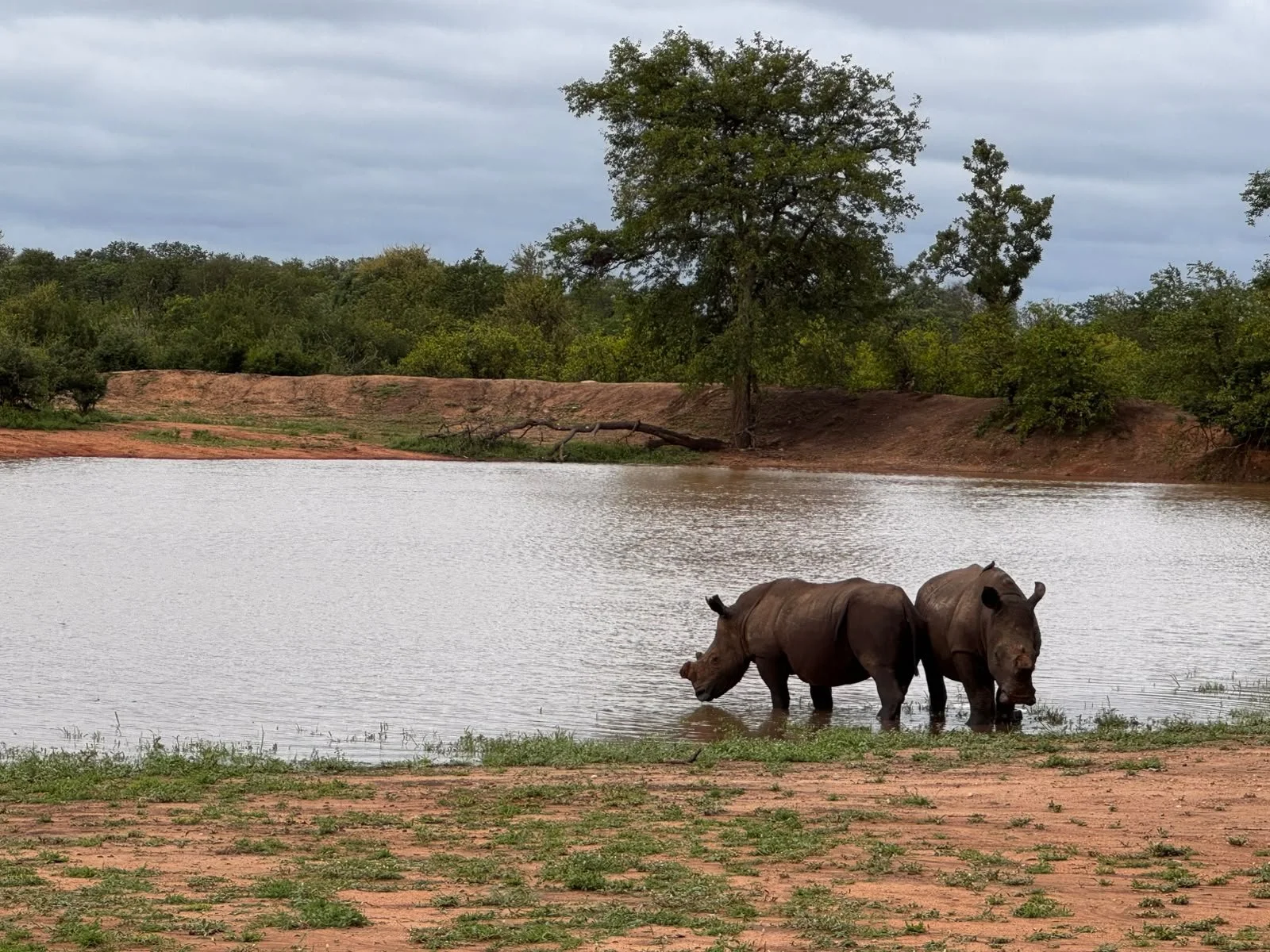
Images from my involvement in rewilding. Left to right: Eight crates for eight rhino, Dehorned southern white rhino, taking rhino crates off the trucks, released rhino.
Conservation success takes patience
This year’s wildlife reintroductions give us plenty to celebrate. They show what can be achieved when people commit to restoring habitats, managing threats and bringing species back to places they once called home.
But we should be careful not to measure success by release numbers alone. The real test comes afterwards: whether animals survive, breed and establish viable populations, and whether the ecosystems they depend on can thrive.
That requires sustained investment, not just one-off interventions. It means supporting the organisations doing the less visible work between milestones, from habitat management and monitoring to research, community engagement and ongoing threat reduction.
What I’d really like you to take away from this… Support the organisations working on long-term species recovery, not just the headline-making moments.
Because conservation isn't a quick fix. The most meaningful results often take decades, and they depend on people continuing to show up long after the headlines fade.
Image disclaimer: Images other than my own are for illustrative purposes only and do not depict the specific animals involved in the reintroductions discussed.
